The French Furniture & Decorative Epochs Chronology
Essential historical markers, signature guild stamps (estampilles), woodwork joinery, and metallurgical proofs used by master appraisers to authenticate genuine French artifacts.
Louis XIV & The Grand Baroque Age
Characterized by architectural symmetry, solemn grandeur, heavy gilding, and monumental scale created to glorify the Sun King at Versailles.

Régence & Louis XV (Rococo)
The liberation of rigid court formality into sensuous curves, asymmetrical floral motifs, playful rocaille rock-work, and unadulterated comfort.
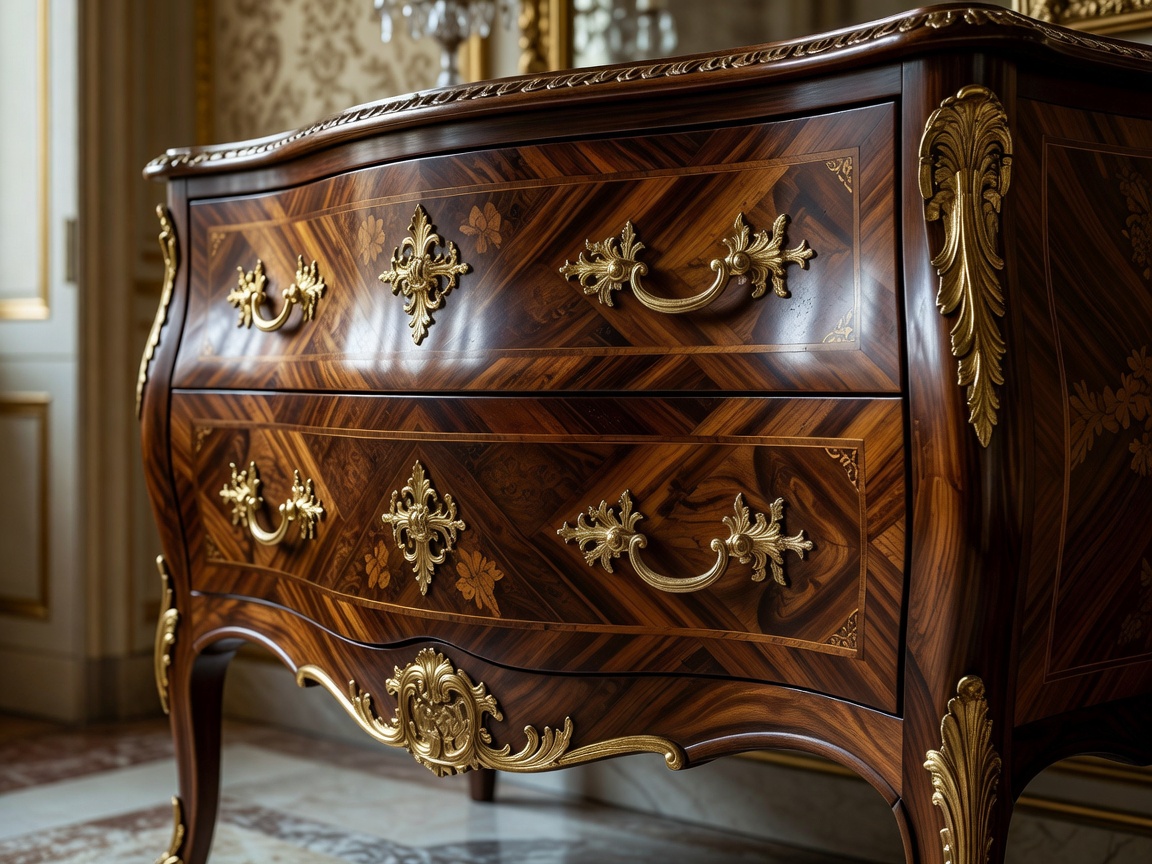
Louis XVI (Neoclassicism)
A passionate return to classical Greco-Roman purity stimulated by the excavation of Pompeii and Herculaneum. Rectilinear geometry and architectural proportion.
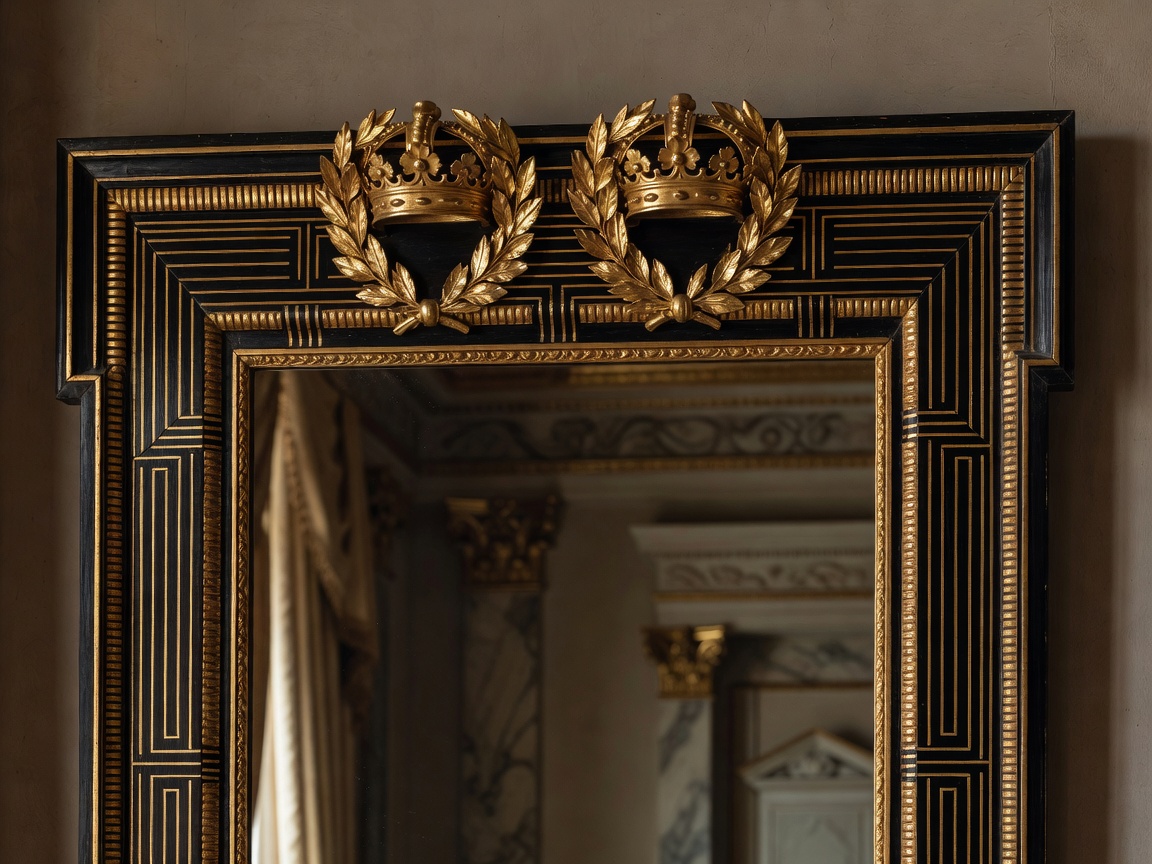
Empire Period (Napoléon I)
Martial rigor and imperial symbolism. Furniture crafted with monumental proportions to reflect the triumph and authority of the First French Empire.
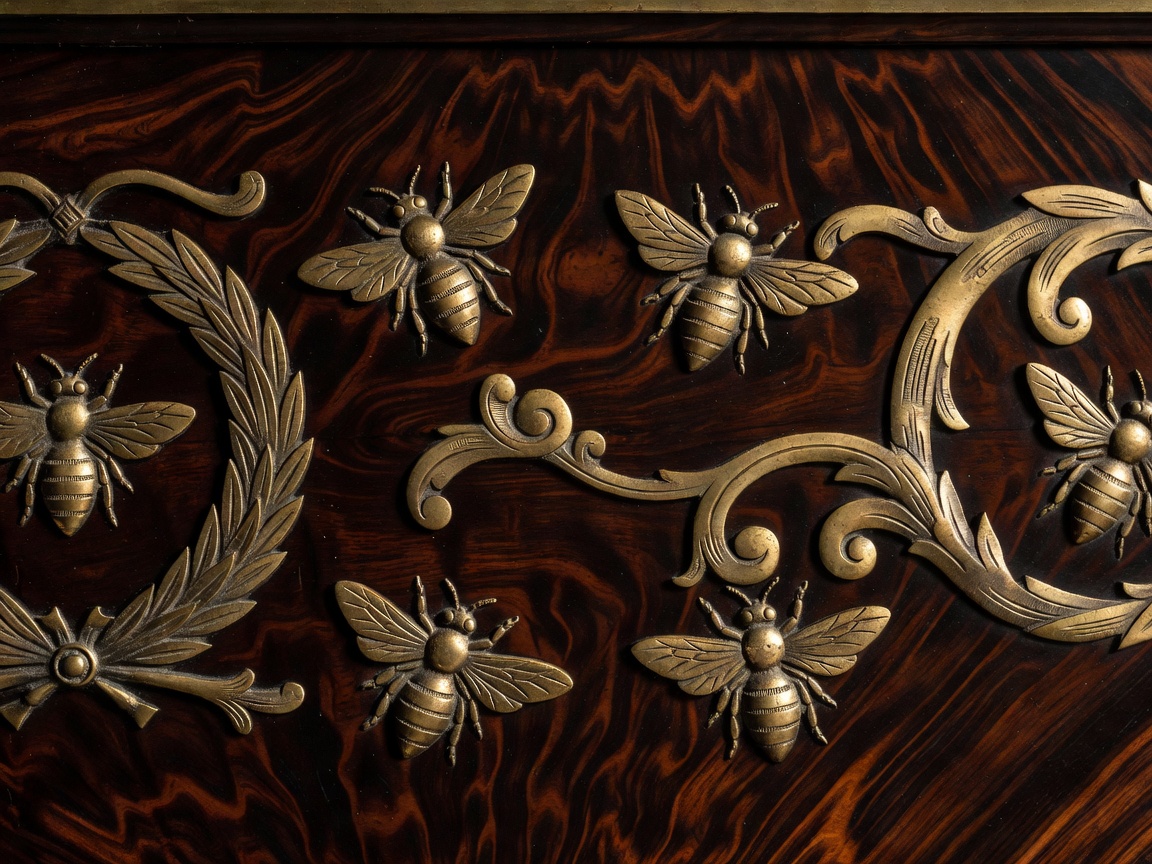
French Art Deco & Modernisme
The apex of 20th-century French decorative sophistication inaugurated at the 1925 Paris Exposition. Geometric discipline paired with exotic luxurious materials.
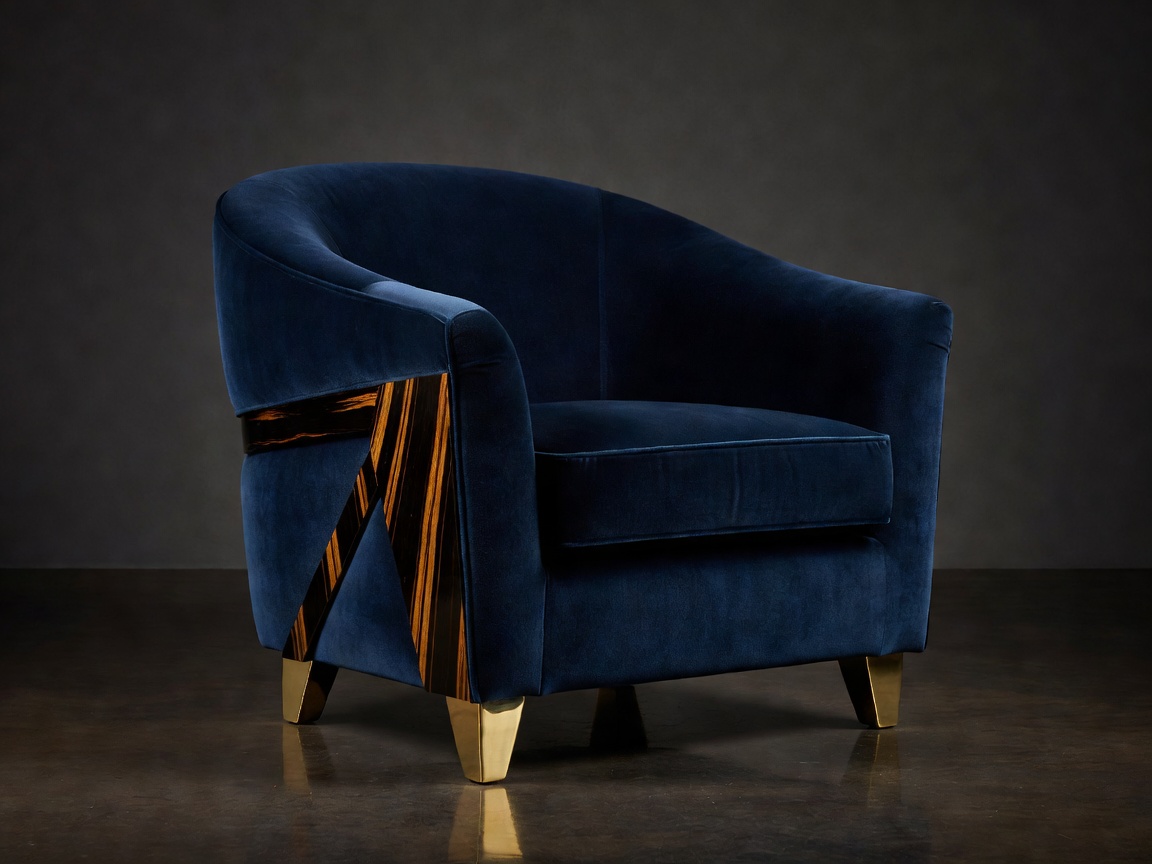
Poinçons, Estampilles & Guild Regulations
By decree of the Paris Guild of Ébénistes in 1743 (enforced from 1751), all guild masters were strictly required to strike their name into timber frames using an iron punch stamp, alongside the JME (Jurande des Maîtres Ébénistes) inspection stamp.
| Stamp / Hallmark | Enacted Era | Physical Location | Appraisal Verification Function |
|---|---|---|---|
| JME Stamp | 1751 – 1791 | Under marble slab or rear upright rail | Confirms quality inspection by the sworn guild committee. Lack of JME on post-1751 Paris stamped furniture requires rigorous scrutiny. |
| Poinçon Minerve | 1838 – Present | Silver holloware & flatware rim | Head of Minerva in an octagonal cartouche indicating 950/1000 or 800/1000 French sterling silver fineness. |
| Tête d’Aigle (Eagle’s Head) | 1838 – Present | Gold jewelry shanks & clasps | Official French state assay proof for 18-karat gold (750/1000 minimum purity) executed in Paris and regional assay offices. |
| Sèvres Interlaced L's | 1753 – 1793 | Underneath base of porcelain vessel | Contains inside letter denoting production year (e.g., 'A' for 1753, 'AA' for 1778), often accompanied by painter's personal cipher. |
Have an unverified family heirloom or estate acquisition?
Our Parisian specialists cross-reference archival guild records to authenticate woodwork stamps, casting signatures, and porcelain hallmarks.